

Why Choose Us?
High Quality Materials And Workmanship
Our skateboard manufacturers use the highest quality materials, such as Canadian maple and high-strength composites. These materials not only ensure the durability and toughness of the skateboard, but also provide excellent elasticity and flexibility. Our production process includes multi-layer lamination technology to ensure that each skateboard can withstand high-intensity use without deformation.
Customized Design Services
We provide comprehensive customized design services to meet the unique needs of different customers. Be it shape, size, pattern or colour, we can tailor it to your requirements. Our professional design team will work closely with you to ensure every detail is perfect, helping your brand stand out in the market.
Advanced Equipment
Our factory is equipped with world-class production equipment and technology, including CNC engraving machines, automated painting equipment and high-precision CNC cutting machines. These equipment not only improve production efficiency, but also ensure the accuracy and consistency of each skateboard, thus ensuring the high quality and stability of the product.
Quality Assurance
We have a complete set of strict quality control systems. From raw material procurement to production process to final product inspection, every link has undergone strict quality testing. Our quality control team inspects each skateboard one by one to ensure that the products leaving the factory meet international standards and high customer requirements.
Environmental Protection And Sustainable Development
We are committed to environmental protection and sustainable development, using environmentally friendly materials and green production processes to reduce the impact on the environment. Our production waste is strictly processed to ensure it does not pollute the environment. At the same time, we continue to optimize production processes, improve resource utilization, and are committed to preserving a healthy earth for future generations.
Fast Delivery
Our production plant has strong production capacity and a flexible production scheduling mechanism, which can quickly respond to customer orders and ensure on-time delivery. Whether it is small batch customization or mass production, we can complete it efficiently to ensure that your market needs are met in a timely manner.
Introduction of Cruiser Surfskate
A Cruiser Surfskate, also known as a Surf Skateboard or Surf Skate, is a specialized type of skateboard designed to mimic the feeling of surfing on land. A Cruiser Surfskate typically features a long, narrow deck with a surfboard-like shape, allowing riders to simulate the movements and maneuvers of surfing on concrete or pavement. The deck may have a slight concave or camber to provide a surfboard-like feel and enhance maneuverability.
Our Related Products
The Deck. The deck is the skateboard's wooden platform where the rider places his or her feet and to which other parts are attached. They come in different sizes and shapes, but most popsicle-shaped skateboard decks feature a kick in the tail and the nose.


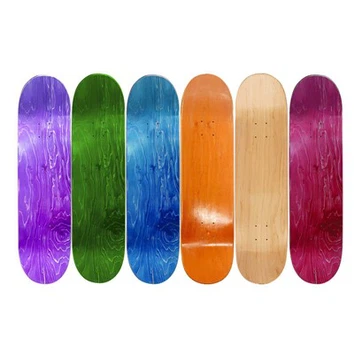


Benefits of Skateboard Deck
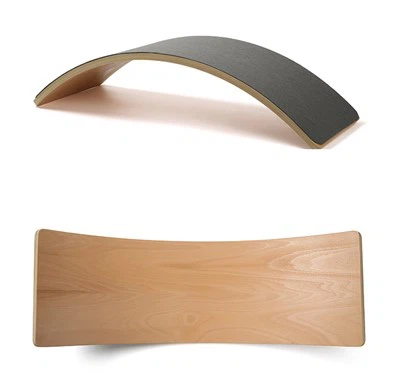
Vibrant designs
Our products feature exceptional patterns and designs that make them stand out in a sea of skateboards.
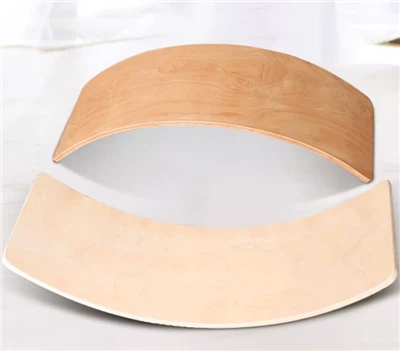
Exceptional performance
Our skateboard decks have a unique shape and concave design that ensures the board is comfortable to stand on, while also providing the skateboarder with exceptional control and maneuverability.

High-quality materials
Our skateboards decks are made from high-quality materials. We use premium quality Canadian maple wood that can withstand extreme conditions and heavy board impacts.

High durability
We craft them with seven layers of high-quality, pressure-treated maple wood, which provides the deck with the much-needed strength, durability, and resilience required for skateboarding.
Types of Skateboard Deck
Costom design skateboard deck
Custom design skateboard decks are an exciting way to express personal style and make a statement.
Color skateboard deck
Dye color skateboard deck not only adds a pop of color to the deck, but also enhances its aesthetic appeal and functionality.
Maple skateboard deck
Full Canadian Maple Deck is strong and resilient, and it can handle the stress of skateboarding without breaking or cracking.
Blank skateboard deck
A blank skateboard deck is an empty canvas waiting for you to bring it to life. You can choose from a variety of shapes, sizes, and materials to fit your specific style and needs.
1. Maple wood
Maple wood is the most common material used for making skateboards. It is strong, durable, and can withstand a lot of wear and tear. Maple wood is also readily available, making it a cost-effective option for skateboard manufacturers.
Skateboard manufacturers prefer to use seven or eight layers of maple wood to create a sturdy and durable skateboard. The layers are glued together using a special adhesive that can withstand the impact and stress of skateboarding. The final product is a skateboard that is strong, lightweight, and has a smooth ride.
2. Bamboo
Bamboo is a relatively new material used in skateboards, but it is gaining popularity due to its unique properties. Bamboo is strong, lightweight, and flexible, making it an ideal material for skateboards. It is also sustainable, making it an environmentally friendly option.
Skateboard manufacturers use a combination of bamboo and maple wood to create a hybrid skateboard. The combination of bamboo and maple wood creates a skateboard that is both strong and flexible. The bamboo provides flexibility, while the maple wood provides strength and durability.
3. Carbon fiber
Carbon fiber is a high-performance material used in a variety of industries, including aerospace, automotive, and sports. Carbon fiber is lightweight and strong, making it an ideal material for skateboard decks. Skateboard manufacturers use a combination of carbon fiber and other materials to create a skateboard that is strong, lightweight, and durable.
Carbon fiber skateboards are more expensive than traditional skateboards due to the high cost of the material and the complex manufacturing process. However, they offer superior performance and are a popular choice among professional skateboarders.
4. Plastic
Plastic skateboards, also known as penny boards, have become increasingly popular in recent years. They are lightweight, portable, and come in a variety of colors and designs. Plastic skateboards are also more affordable than traditional skateboards, making them an attractive option for beginners.
Skateboard manufacturers use a high-quality plastic material that is strong and durable to create plastic skateboards. The plastic material is lightweight and flexible, allowing for a smooth ride. However, plastic skateboards are not as sturdy or durable as traditional skateboards, making them less suitable for advanced skateboarders.
5. Aluminum
Aluminum is a strong and lightweight material that is used in a variety of industries, including aerospace and automotive. Skateboard manufacturers use aluminum to create trucks, which are the metal components that attach the wheels to the skateboard deck.
Aluminum trucks are strong, durable, and lightweight, making them an ideal choice for skateboarders who need a high-performance skateboard. Aluminum trucks also provide better stability and control, making them a popular choice among professional skateboarders.

Discovering the Fusion of Style and Performance in Skateboard Design
Unveiling the Mastery in Design:
The artistry of designing professional skateboard decks lies in balancing luxury and functionality to enhance both the rider's experience and maneuverability. A renowned brand in the skateboarding community, has mastered this technique. By collaborating with top designers and skateboarders,has been able to incorporate unique patterns, vibrant colors, and innovative graphics into their decks, allowing riders to stand out while effortlessly gliding through the streets.
Performance-Driven Construction:
Professional skateboard decks are meticulously crafted to withstand the rigorous demands of intense tricks, jumps, and grinds. commitment to performance is evident in their use of premium materials like Canadian maple, which provides superior strength and durability without compromising weight. Advanced bonding techniques and precision engineering ensure that the decks can withstand the harshest impacts and maintain their shape for extended periods.
Tailored Dimensions for Optimal Performance:
Skateboard decks are available in various shapes and sizes, each designed to cater to different riding styles and preferences. has perfected the art of tailoring dimensions to optimize performance. From the width, length, and concave to the wheelbase and nose/tail angles – every aspect is carefully considered to enhance maneuverability, stability, and control. Professional skateboarders can find their perfect match among diverse deck offerings.
Aesthetic Appeal Fused with Functionality:
While performance is crucial, professional skateboard decks also serve as an essential canvas for personal expression. understands this, and their designs seamlessly blend aesthetic appeal with functionality. Through collaborations with renowned artists, combines striking visual elements, intricate patterns, and thought-provoking graphics, enabling riders to showcase their unique style and personality while conquering the skatepark or the streets.
The Role of Innovation:
Innovation drives the evolution of professional skateboard decks, and is at the forefront of introducing cutting-edge technologies into skateboard design. From improved resin formulas to reinforce the deck's strength, to innovative concave designs for enhanced board feel, stays ahead of the curve by continuously pushing boundaries and challenging industry norms.
Where Style Meets Performance:
For those seeking the perfect blend of style and performance, offers an extensive range of professional skateboard decks that cater to riders of all levels and lifestyles. Whether you're a street skater craving endless pop or a vert skater in search of stability during high-flying maneuvers, commitment to craftsmanship ensures that their decks will exceed your expectations on every level.
Skateboard Deck Craftsmanship
Cutting The first step in making a skateboard deck is to cut the big maple veneer planks to the same size.
Gluing Once the veneer has been cut, the seven layers are glued together using a water-based adhesive.
Stacking The layers are stacked on top of each other, with the grain of each layer running in a different direction.
Pressing the deck After the veneer has been glued, the deck is placed in a hydraulic press. The press applies pressure to the deck, compressing the layers of maple veneer and shaping the deck into the desired shape.
Shaping normally done using a CNC machine, which uses computer-aided design (CAD) software to cut and shape the wood with high precision.
Fine sanding The deck edges are then sanded down to remove any rough spots or edges.
Sealing The deck is then coated with a lacquer/sealant or other protective finish to bring the wood colors out.
Finishing The final step is to add graphics and finishes to the skateboard deck. This is typically done using screen printing or heat press methods, allowing high-quality graphics to be added to the deck.


The Average Weight of a Skateboard Deck
The average weight of a skateboard deck is 3.5 pounds.
The weight of a skateboard deck is determined by the type of wood used, the size of the deck, and the manufacturing process. The majority of decks are made from 7-ply maple wood, which is light but strong.
There are many sizes of skateboard decks, from small “mini” decks to large “longboards.” The size of the deck affects the weight, with larger decks being heavier than smaller ones.
It is also important to consider the manufacturing process when determining a skateboard deck’s weight. Decks that are mass-produced are usually lighter than those that are handmade.
How Does Skateboard Deck Weight Affect Skateboarding?
When it comes to skateboarding, weight is an important factor to consider. The heavier the board, the more stability it has, but it is also more difficult to maneuver and perform certain tricks. A heavier board can also put a strain on your body.
On the other hand, a lighter deck may be easier to maneuver but can cause you to lose control more easily.
Heavier decks are generally better for street skating and are less likely to break. Lighter decks are often used for vert skating or bowl skating, as they help the skater catch air more easily.
When choosing a deck, keep in mind what kind of skating you’ll be doing most often. If you’re unsure, it’s best to go with a mid-range option that falls between the two extremes.
The ideal skateboard weight for a beginner is somewhere between 5 and 7 pounds (2 and 3 kg). Skaters usually start at about 5 pounds because that’s what most people use when they first start out. If you’re on a budget and can only afford one skateboard, it should be around 7 pounds so that you can get some good distance out of each push.

Maintenance Tips for Skateboard Deck
Clean your skateboard regularly: Use a damp cloth or sponge to wipe down the deck, trucks, and wheels to remove any dirt, dust, or grime that can affect its performance.
Check and tighten the hardware: Regularly inspect the bolts and nuts on your skateboard and ensure they are securely tightened. Loose hardware can lead to wobbly trucks and a less stable ride.
Keep the bearings clean and lubricated: Bearings are essential for a smooth ride, so it's crucial to keep them clean and lubricated. Remove the wheels and clean the bearings with a skateboard bearing cleaner or isopropyl alcohol. Once dry, apply a few drops of skateboard bearing lubricant to each bearing.
Monitor the condition of the grip tape: Grip tape provides traction for your feet, so make sure it's in good condition. If it becomes worn or loses its grip, consider replacing it. You can also use grip tape cleaner to remove dirt and maintain its effectiveness.
Check the condition of the wheels: Regularly inspect your skateboard wheels for signs of wear, flat spots, or uneven wear patterns. If the wheels are worn down or damaged, it's time to replace them for a smoother and safer ride.
Store your skateboard properly: When you're not using your skateboard, store it in a cool, dry place away from direct sunlight or extreme temperatures. Avoid leaving it outside or in damp areas that can lead to rust or warping.
Avoid exposing your skateboard to water: Water can damage your skateboard, particularly the bearings, trucks, and deck. Avoid riding through puddles or wet surfaces, and wipe down your skateboard if it gets wet accidentally.
Inspect the trucks: Regularly check the trucks (the metal components that attach the wheels to the deck) for any signs of damage, such as cracks or bending. If you notice any issues, consider replacing them to maintain stability and safety.
There are six steps in this guide:
Prepare the Veneers
Glue the Veneers
Press the Unshaped Board & Cure It
Remove the Uncut Deck & Apply Your Design
Cut Out the Deck Tailored to Your Design
Smooth Out the Skateboard Deck
Prepare the Veneers
The number and arrangement of the veneers will reflect the weight and flexibility of a skateboard. Most boards are 10mm thick. Veneers can be classified into three categories:
Face plywood
Sanded or unsanded center plywood
Unsanded cross-band plywood
For a seven-layered deck, organize the veneers in this way:
Face plywood
Center plywood
Cross-band plywood
Center plywood
Cross-band plywood
Center plywood
Face plywood
Glue the Veneers
After placing the veneers, you need to glue them. Use Titebond for this step, as it will firmly hold the layers of plywood and is specifically made for this kind of wood. Before you start gluing, ensure that the unsanded part of the face plywood is facing downwards, and the sanded part is facing upwards. Then, apply the Titebond to the unsanded part. Place the center layer on the face and repeat this process for all seven layers.
Press the Unshaped Board & Cure It
Once all veneers are glued together, it's time for pressing. Choose two pieces of cardboard that are at least three inches wider and longer than the board. Take the frame and put the veneers between the cardboard and the frame. You will need:
20” to 16” nuts and bolts
2” to 4” channel irons
Washers
Place the channel irons in the middle of the frame to ensure an even press. Leave the skateboard deck to mold for at least eight hours. Check the deck every hour to ensure the bag is tight. You may need to suck out more air from the bag periodically.
Remove the Uncut Deck & Apply Your Design
Once the skateboard deck has cured, remove it and the cardboard from the mold. You now have an uncut skateboard deck ready for design application.
For skateboard design, you can use a design card program (better if you want to be more precise with the tail and nose parts) or draw the design yourself on graph paper. Once your design is ready, place it on top of the uncut skateboard deck, ensuring not to tape it down. First, determine the length of the tail and nose of the board. Then, mark the points where you want to place the trucks.
Cut Out the Deck Tailored to Your Design
Now, it's time to cut out the deck according to your design. We recommend using a band saw for its precision, but if you don’t have one, a jigsaw will suffice, albeit with less desirable results. After cutting out the deck, use a router or a rasp to curve the board edges to avoid splinters.
Smooth Out the Skateboard Deck
After curving the board edges, sand the whole deck with sandpaper or steel wool until it is super smooth. Make sure to drill the truck holes before you finish sanding the deck.
Your skateboard deck is the foundation for the overall feel of your skateboard. Your riding style, the range of obstacles you can skate, and the other necessary components (trucks, wheels, etc.) are all related to the skateboard deck you choose.
Deck Width
For most skateboarders, the most important measurement in picking out the right skateboard deck is width. Most decks range from 7.5" to 10" in width. To determine how wide you want your skateboard deck to be, there are a few things to consider.
Skateboard Size Chart
Note to Beginners: If you are completely new to skateboarding and are unsure what style of riding you may be attracted to, go with a deck size between 7.75" and 8.38". If you have smaller feet, stay on the narrow side of this scale; if you have larger feet, do the opposite. Sizing is mostly based on feel. If it's comfortable under your feet when riding, it's a good size for you.
Deck Length and Wheelbase
The length of your skateboard deck is another measurement to consider. Most skate decks are around 31" - 33" long. Decks with a length of 33" and longer will also generally have a width of 8.5" or wider. [Brand Name] makes decks with interesting wheelbases and would be a good place to start shopping.
Deck Shape
While the standard "popsicle" shape (nearly symmetrical with rounded nose and tail) remains the most popular, there are many shapes to choose from. There are squared noses and tails, tapered noses that come to a point, fishtails that taper in and bow out, and seemingly every shape in between.
Deck Concave
The most technical variable in the shape of a skateboard deck is its concave. The concave of a skateboard deck will affect its feel under your feet, as well as the way it responds to your movements. The concave is the upward and downward curvature across your deck's surface and edges. A skateboard deck's concave can be seen in the shape of its profile. If you look at it from the side, it's the way the wood curves and flattens from nose to tail and bows in from side to side.
How to Choose a Skateboard Deck
The skateboard deck refers to the actual board platform you'll be riding. Skateboard decks are traditionally made of multiple plies of laminated maple wood (seven is the average) for durability and strength. When beginning the search for a suitable skateboard deck, width is an important overall characteristic. Different shapes and widths of decks are conducive to varying styles of skateboarding, but in the beginning, choosing a deck width slightly narrower than the length of your foot is the best bet.

Skateboard Deck Width & Shape
Skateboard widths (excluding longboards, cruisers, or miniature boards) range from 7.7” to 9” or more. The most common deck shape is the symmetrical "popsicle" shape, but directional retro and fun-shaped boards that trend wider are increasing in popularity. How do you know what is right for you? There is no right or wrong deck; it's all a matter of personal preference, so trying different sizes and shapes is best.
Concavity
Concavity is the amount of bending and shaping found between the toe and heel sides of the board and can affect the ease of performing tricks in numerous ways. Every manufacturer has differing degrees of concavity, and two decks from the same brand may even have different concavity. More concave boards usually perform better for technical flip tricks, while flatter boards are generally easier to control. Like width, having a more concave or less concave deck is a matter of personal preference. It takes trying a few different boards to know what you like best!
How to cooperate with us?
We offer a variety of transmission components
Customization options
Our custom skateboard deck service also allows our customers to have full control over the design process. With our advanced production technology, we are able to produce skateboard decks in a variety of shapes and sizes, and we can even print custom graphics, logos, and pictures onto the deck.
Unique design
Our designers are experts in their craft and use their creativity and expertise to develop eye-catching graphics that stand out from the crowd. Whether your customer is looking for a design that features bold colors or intricate patterns, we have the capability to deliver on their vision.
Strong materials
At our manufacturing company, we source the highest quality materials to construct our custom skateboard decks. This includes using premium Canadian maple wood, which is known for its superior durability and strength.
Quality control
At our manufacturing company, our commitment to quality control is second to none. We employ a rigorous quality check system to ensure every custom skateboard deck that leaves our facility reflects our dedication to producing high-quality products.
Certifications




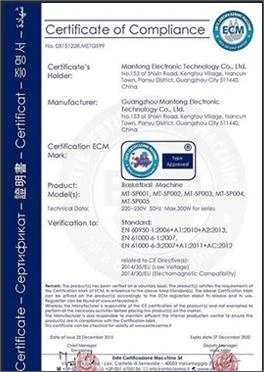

ChenShuo sports as professional skateboard manufacturer committed to producing visually appealing, durable, and safe skateboards using high-quality materials and the latest technology.


Frequently Asked Questions Skateboard Deck
Q: When should I replace my skate deck?
Q: How do I know what size skateboard deck to get?
Q: How do I know if my skateboard deck is good?
Q: How do you laminate a skateboard deck?
Glue the veneers.
Place them on top of the foam mold.
Put them both into the vacuum bag.
Evacuate the air using the hand pump.
Let dry for 8 hours.
Q: How do you fix a skateboard deck?
Q: How do you store a skateboard?
Q: How many bearings does a skateboard need?
Q: How do you reduce vibration on a skateboard?
Q: What are the curves on a skateboard called?
Q: How do I choose a skateboard shape?
Q: What is speed wobble skateboard?
Q: How do I choose a skateboard size?
Q: What do you need for a skateboard?
Skateboard Deck.
Grip Tape (your deck may already have this applied)
Trucks.
Truck Bolts.
Bearings.
Skate tool or a selection of spanners.
Q: How are skateboard decks printed?
Q: How long do you skate a deck?
Q: Is a skateboard called a deck?
Q: How do you reduce friction on a skateboard?
Q: How do you repair a skateboard with epoxy?
Q: How do you dry a skateboard?
Q: How do you protect stickers on a skateboard?
We're well-known as one of the leading skateboard deck manufacturers and suppliers in China. If you're going to wholesale skateboard deck made in China, welcome to get quotation and free sample from our factory. Also, customized service is available.
Glassfirbe Material Skateboard, Glassfirbe Material Longboard, Longboard