

Why Choose Us?
High Quality Materials And Workmanship
Our skateboard manufacturers use the highest quality materials, such as Canadian maple and high-strength composites. These materials not only ensure the durability and toughness of the skateboard, but also provide excellent elasticity and flexibility. Our production process includes multi-layer lamination technology to ensure that each skateboard can withstand high-intensity use without deformation.
Customized Design Services
We provide comprehensive customized design services to meet the unique needs of different customers. Be it shape, size, pattern or colour, we can tailor it to your requirements. Our professional design team will work closely with you to ensure every detail is perfect, helping your brand stand out in the market.
Advanced Equipment
Our factory is equipped with world-class production equipment and technology, including CNC engraving machines, automated painting equipment and high-precision CNC cutting machines. These equipment not only improve production efficiency, but also ensure the accuracy and consistency of each skateboard, thus ensuring the high quality and stability of the product.
Quality Assurance
We have a complete set of strict quality control systems. From raw material procurement to production process to final product inspection, every link has undergone strict quality testing. Our quality control team inspects each skateboard one by one to ensure that the products leaving the factory meet international standards and high customer requirements.
Environmental Protection And Sustainable Development
We are committed to environmental protection and sustainable development, using environmentally friendly materials and green production processes to reduce the impact on the environment. Our production waste is strictly processed to ensure it does not pollute the environment. At the same time, we continue to optimize production processes, improve resource utilization, and are committed to preserving a healthy earth for future generations.
Fast Delivery
Our production plant has strong production capacity and a flexible production scheduling mechanism, which can quickly respond to customer orders and ensure on-time delivery. Whether it is small batch customization or mass production, we can complete it efficiently to ensure that your market needs are met in a timely manner.
Introduction of Cruiser Surfskate
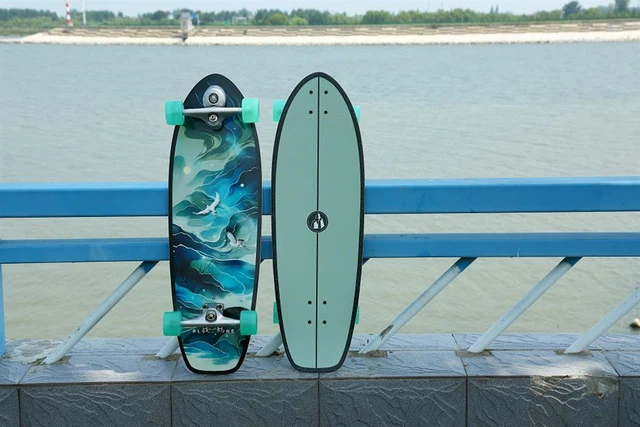
A Cruiser Surfskate, also known as a Surf Skateboard or Surf Skate, is a specialized type of skateboard designed to mimic the feeling of surfing on land. A Cruiser Surfskate typically features a long, narrow deck with a surfboard-like shape, allowing riders to simulate the movements and maneuvers of surfing on concrete or pavement. The deck may have a slight concave or camber to provide a surfboard-like feel and enhance maneuverability.
Our Related Products
Surfskating is a form of skateboarding that mimics the movements and feel of surfing.
Surfskates have a specially-designed front truck that enables very tight, smooth turns and typical surfing maneuvers. On a surfskate, you can carve in, through, and around the tightest urban corners and obstacles. They are also amazing to ride in skate parks and bowls!
Similar to surfing, you can pump a surfskate to generate speed without pushing your foot on the street. On good terrain, you can pump a surfskate as long as you can last without ever touching the ground. In fact, you can even pump uphill!
This is a unique feeling that can’t be replicated on a traditional longboard or skateboard.
Surfskating is different from either longboarding or skateboarding. It’s in a category and has a feel all its own.


Benefits of Surf Skateboard
Surf like experience
Surfskating provides a similar sensation to surfing, allowing riders to replicate the carving, pumping, and flowing movements of riding a wave.
Improved balance and coordination
Learning to Surfskate requires riders to maintain balance and control while performing fluid and dynamic movements. This helps to develop a strong sense of balance and coordination.
Core strength and stability
The twisting and turning motions involved in surfskating engage the core muscles, promoting strength and stability in the abdominal and lower back regions.
Fun and alternative exercise
Surfskating adds variety and excitement to your exercise routine. The fun and enjoyment of surfskating can make it easier to stay motivated and consistent with your exercise regimen.
Urban transportation
Surfskateboards are designed for maneuverability and tight turns, making them a practical mode of transportation in urban environments.
Stress relief and mindfulness
Riding a surfskateboard can be a meditative experience. Focusing on the movements, feeling the flow, and being fully present in the moment can help relieve stress and promote mindfulness.
Types of Surf Skateboard
The shortboard is the classic surfboard born out of the so-called shortboard revolution. This revolution radically transformed the 9'6'' longboards into 6'6'' surfboards. Shortboards are the most popular surfboard templates in the world right now. If you visit a popular surfing beach, you'll find that 95 percent of the surfers are riding boards between 5'5'' and 6'5''.
The first surfboard of the modern era was a longboard. Longboards are long surfboards, typically over 9', featuring a rounded or blunt nose, plenty of forward width, and wide tails. Longboards have a lot of foam volume and are highly buoyant. As a result, they're easy to paddle and will enter any wave quickly.
Fish surfboards are similar to shortboards, but they tend to be wider from nose to tail and shorter in length. Because of their width and low rocker, they plane better and generate a lot of speed in small-to-medium waves. These small and fast surfboards also feature a fish-inspired tail and are frequently ridden with a twin-fin setup.
Also known as a funboard, it is a blend between a longboard and a shortboard. They are a favorite type of board for beginners and heavier surfers. Still, they can also be a backup option for experienced riders who enjoy having fun in small summer conditions. Funboards typically range from 6' to 8' and are forgiving boards in ankle-to-waist high waves.
Guns are large shortboards shaped for extreme surfing conditions. Big wave surfing pioneer is widely considered the father of the gun. He was one of the first surfers to challenge Waimea Bay in Hawaii. Big wave guns are quite easy to paddle and will enter fast big waves quickly, but because they're big, they're not easy to turn. They usually feature a pintail, and the length varies from 7' to 12'. Big wave surfing boards have a narrow nose and are often equipped with a thruster fin setup.
A stand-up paddleboard is similar to a longboard but was inspired by ancient Hawaiian and African water practices. Surfers use a paddle to propel the board across the water. Stand-up paddleboards are thick, wide, and built from epoxy and fiberglass. They typically range from 9' to 12' and are also available in an inflatable version. Stand-up paddleboards allow users to surf small-to-medium waves, but they can also be enjoyed in flat water spots, including lakes, rivers, and canals.
With the advent of jet ski-assisted big wave surfing, there was a need for short, narrow, and low-area boards. The tow-in model was introduced in the early 1990s and first tested by . Tow-in boards are equipped with a small quad or thruster fin setup and foot straps and are heavier than standard surfboards.
What are surfboards made of? 7 materials
For the production of surfboards, the most common materials used are foam, epoxy or polyester resin, fiberglass, glass microspheres, fin caps, and the leash cap.
Foam
Foam is the base of the board. To get good quality foam, it needs to be pressure-resistant (so the board doesn’t bruise), light, and white (the whiter it is, the better it will be). Although there are several foam manufacturers, the most widely used is polyurethane (PU) foam. Liquid polyurethane is injected into a mold (the mold will be completely filled when the polyurethane swells). Then, the foam is cut into two parts and a wooden sheet (spar) is inserted so that the foam does not bend.
Epoxy resin
Epoxy resin gives the board greater rigidity, durability, and strength. Epoxy resin boards are lighter, have more buoyancy, and are perfect for catching small waves. It has much higher mechanical properties than polyester resin but is more expensive and therefore less used.
Polyester resin
It can be said that 80% of today’s surfboards are made with polyester resin, as it is more practical and cheaper than epoxy resin. At the time of production, the polyester is mixed with a catalyst (liquid or ultraviolet) so that the resin hardens. Polyester resin allows you to maneuver better on the board and has a faster response in the water. However, it has less buoyancy. This material is recommended for medium or large waves.
Fiberglass
Fiberglass is used to make high-quality surfboards. By mixing fiberglass with resin, the board becomes stronger and more rigid. Big brands in the surf industry produce boards with this material for demanding surfers. They are very customized boards and, therefore, more expensive. The best-known producers of this material are Hexcel, Aerialite, and Shapers.
Glass microspheres
Glass microspheres are mixed with the resin. This mixture is used to repair boards, fix the leash cap (the safety line tied to a foot so as not to lose the board in case of a fall), or the fins. It is a very harmful product.
Fin caps
These caps, inserted in the back of the bottom of the board, allow you to change the fins and remove them, for example, for a trip by plane.
Leash cap
This cap is put on the tail (at the end of the board) to tie a safety lanyard called a leash.
General Surfskate Sizing
Although surfskates are not classic 'longboards', they do have variations of a surfskate longboard to accommodate noseriding and a more mellow approach to riding this board style.
If you're looking to get a cross-step or two in on your board in conjunction with bottom turns and drawn-out carves, then you're going to want a surfskate that is in the 36-42" range. Alternatively, you can add a surf skate adapter to your standard longboard.
For those who want to whip it around and feel as though they're shredding their shortboard, you're going to want a surfskate that caters to your size.
For smaller folks, something in the 27-31" range will suit you nicely. For a middle-of-the-ground type of build, 30-33" will feel solid under the feet. For the bigger/taller guys and gals, you'll need to bump it up to the 33-39" range.
Why Surf Skateboarding is Popular
Surfing Experience
Surf skateboards are designed to simulate the feeling of surfing on land. They feature unique truck systems that allow for a more fluid and carving motion, similar to riding waves. This appeals to surfers who want to practice their skills and maintain their surfing abilities even when they’re away from the ocean.
Accessibility
Surf skateboards offer a more accessible alternative to surfing. Not everyone has easy access to waves or lives near a coast, but with a surf skateboard, individuals can enjoy a similar experience and practice their surf-inspired maneuvers wherever they are. It allows people to experience the thrill and flow of surfing without needing an ocean.
Skill Development
Surf skateboarding helps surfers and skateboarders alike enhance their skills. The unique design of surf skateboards encourages riders to engage their whole body, emphasizing balance, coordination, and carving techniques. The constant challenge of maintaining control while performing maneuvers helps riders develop their overall board-riding skills.
Cross-Training
Surf skateboarding is seen as a valuable cross-training tool for surfers. It allows them to work on their technique, balance, and body movements outside of the water. By practicing on land, surfers can refine their turns, generate speed, and improve their overall surf performance.
Fun and Recreation
Beyond its practical applications, surf skateboarding is simply a fun and enjoyable activity. Riders can experience the thrill of carving and maneuvering with more fluidity and agility compared to traditional skateboarding. It has become a recreational activity for people of all ages, regardless of whether they have a background in surfing or skateboarding.
Growing Industry
The popularity of surf skateboarding has led to the growth of a dedicated industry. Many companies now produce surf skateboards, offering various models and designs to cater to different riding styles and preferences. The availability of different boards, wheels, and accessories has contributed to the wider adoption and popularity of surf skateboarding.
Surf Skateboard Craftsmanship
Apiece of maple wood undergoes a treatment that allows it to be peeled into veneers (thin sheets of wood) that are then delivered to the deck factory.
Each veneer is then put into a glue machine by hand. This machine evenly coats each veneer with a water-based glue specially designed for wood.
After being coated, the veneers are numbered and stacked according to grain and level of use. Each skateboard is made of seven layers of veneer.
After the laminates are removed from the press, eight holes for the truck mount are drilled by hand with a drilling rig.
Aworker called the shaper takes the newly drilled board and, with a previously made template, hand-shapes each deck with a band saw. The deck is hand sanded and coated with a paint or sealant.
After the deck is dry, a decorative design is imposed by screenprinting. Each color is hand painted separately on a custom screenprinting machine. The decks are then dried and readied for shipment.
Components Of Surf Skateboard
NOSE
The nose of the board is the front part, the tip of the board. The arch is there to maneuver the board better as you ride. The nose is either rounded or pointed: on longboards and funboards, you have probably seen that the nose is rounded, while on shortboards and fishes, the nose is usually more pointed. Rounder noses are good for catching waves, while a pointed nose is better for performance surfing.
RAILS
The sides of your surfboard, or the edges, are called rails. The rails extend from the nose of the board all the way to the tail. The shape of these rails significantly affects the performance of your board. When choosing rails, you decide between soft rails and hard rails. This distinction does not refer to the hardness of the material but rather to the shape. Soft rails are more rounded and smooth, aiding stability and making paddling easier, which is suitable for longboards. Hard rails are sharper and more squared, providing increased speed and quicker turns. These rails are less forgiving than soft rails and require more skill from the surfer to ride.
STRINGER
This is typically a wooden strip in the middle of the surfboard, running from the nose to the tail. The stringer strengthens the board and helps control its flex. However, some surfboards, like epoxy boards, typically do not have a stringer.
DECK
The deck is the top side of the surfboard where you stand while surfing. It is on the deck that you apply wax to increase grip.
Flat deck: this deck is flat. Usually, this deck has wider rails.
Dome deck: This deck has less volume at the rails and more volume in the center, giving it a slight dome shape.
Step deck: This deck provides a similar feeling to standing on a skateboard. It has a platform, and the rails are thinner/lower. When viewed from the rails, the step deck has a noticeable step on it.
BOTTOM
If we flip the board upside down, the underside of the board is simply called the bottom. This is the side of the board that faces the water. Concaves, convexities, and flats are the main categories of surfboard bottom contours, although many boards are made with combinations of these features. This part of the board plays a significant role in controlling how water flows and how the board performs on it. Different types of bottom contours interact differently with the waves.
Maintenance Surf Skateboard
- Clean your skateboard regularly with a mild soap and water. Avoid using harsh chemicals or cleaners as these can damage the deck or wheels.
- Inspect your skateboard regularly for any cracks, breaks, or other damage.
- Lubricate the bearings,To keep them in good condition, just add a drop of oil to them every month or so.
- Keep your skateboard stored in a cool, dry place when not in use.Avoid storing it in direct sunlight or near heat sources as this can cause the deck to warp.
- When transporting your skateboard, always use a proper carrying case or bag.
- If you are going to be riding in wet conditions, make sure to protect your skateboard with a waterproof sealant.
A surfskate is a skateboard designed to carve like a surfboard. While the rear truck stays fixed like a regular skateboard, the lead surfskate truck is what makes it special.
It pivots and dramatically changes the turning dynamics of the surfskate, allowing for short and maneuverable turns like surfing. A surfskate can be pumped rail to rail as you ride, building speed without having to set foot on the tarmac. This feeling is unique to surfskates, and this momentum creation is not possible with traditional skateboards.
You can carve around the tightest corners or effortlessly slalom around obstacles or down hills. You need only shift your weight as you cruise along.

Which is the Best Surfskate for You?
The truth is only you can decide that. Hopefully, you have a better idea of what you'll need to consider before making your decision:
The type of surfskating you'll be doing
The quality of the board and truck system
The length of the board and wheelbase to suit you
The types of wheels best suited to your style of ride
The style and feel of the board that appeals to you
Wheelbase - The Most Important Measurement
The distance between the trucks is not always the same as the wheelbase! In skateboarding, the wheelbase refers to the distance between the inner fastening screws. In surfskating, it often refers to the distance between the trucks. Here, the actual distance between the front and rear trucks is the most critical measurement. With a surf skateboard, precision matters more compared to a traditional skateboard because even a few centimeters can make a significant difference due to the highly flexible front truck.
Fine-Tuning
Surfskates are typically used in three environments. Depending on where you plan to use yours most frequently, here are some recommendations for choosing the distance between the trucks if you're unsure which surfskate to select:
Skatepark: Choose a shorter distance between trucks and decks with more concave.
Street: Opt for both longer and shorter distances; longer for easier handling initially and shorter for tighter turns. Recommend more concave decks for those looking to push their limits.
Downhill: Select a longer distance between trucks for greater stability at higher speeds (also consider this for handling larger waves).
How to cooperate with us?
Customization options
Our custom skateboard deck service also allows our customers to have full control over the design process. With our advanced production technology, we are able to produce skateboard decks in a variety of shapes and sizes, and we can even print custom graphics, logos, and pictures onto the deck.
Unique design
Our designers are experts in their craft and use their creativity and expertise to develop eye-catching graphics that stand out from the crowd. Whether your customer is looking for a design that features bold colors or intricate patterns, we have the capability to deliver on their vision.
Strong materials
At our manufacturing company, we source the highest quality materials to construct our custom skateboard decks. This includes using premium Canadian maple wood, which is known for its superior durability and strength.
Quality control
At our manufacturing company, our commitment to quality control is second to none. We employ a rigorous quality check system to ensure every custom skateboard deck that leaves our facility reflects our dedication to producing high-quality products.
Certifications



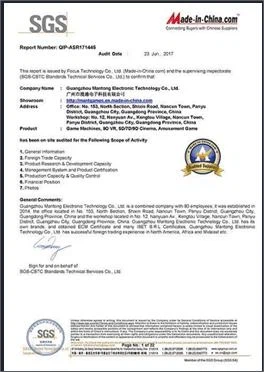
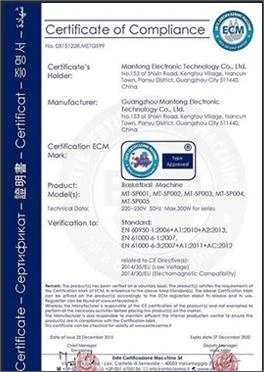

ChenShuo sports as professional skateboard manufacturer committed to producing visually appealing, durable, and safe skateboards using high-quality materials and the latest technology.


Frequently Asked Questions Surf Skateboard
Q: What are surf skateboards called?
Q: What is different about a surf skateboard?
Q: How do I choose a surfskate board?
Q: What is the shape of a skateboard called?
Q: What is a surfskate longboard?
Q: Can Surfskate do tricks?
Q: How do I choose the right size skateboard?
(Mini/Small) 7.00" to 7.50": Narrow decks are better for youths 8 to 12 years old.
(Mid Size) 7.50" to 8.00": A medium deck width is best for teens age 13 and older or adult riders who street skate or skate on street terrain.
Q: Can you put surfskate trucks on any board?
Q: What are surfskate trucks?
Q: Can you travel with surfskate?
Q: What is a skateboard truck hanger?
Q: What can you do on a surfskate?
Q: Which surfskate to choose for a child?
Q: Surfskate too hard / too soft?
Q: What type of wood is used for surfboards?
Q: Is Surfskate a sport?
Q: How do I choose the right skateboard?
Q: How do I start skateboarding?
Q: What are skateboard bushings?
Q: What is top of skateboard called?
We're well-known as one of the leading surf skateboard manufacturers and suppliers in China. If you're going to wholesale surf skateboard made in China, welcome to get quotation and free sample from our factory. Also, customized service is available.
Longboard, Skateboard, Kids Balance Board